
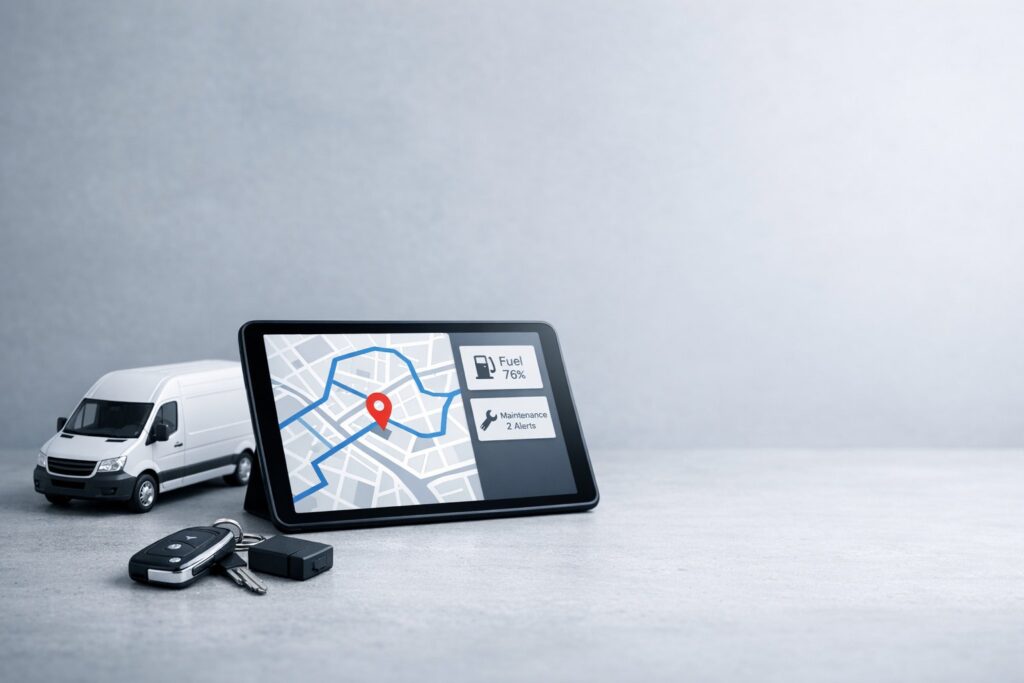
Efficient fleet management is vital for businesses seeking to reduce costs and streamline operations. Through targeted process optimization, organizations can achieve greater resource utilization, lower expenditures, and boost overall performance.
Organizations often turn to solutions like Fleeteye to enhance their fleet management strategies. Doing so supports not only improved operational oversight, but also significant cost savings and greater efficiency. However, maximizing the value of these tools and processes requires a purposeful approach that addresses the unique logistical, financial, and performance challenges facing modern fleets. By focusing on strategic optimization, businesses can build more agile and cost-effective transport operations.
Identifying operational inefficiencies within your fleet
The first step to optimizing your fleet management process is to identify areas where resources are being underutilized or wasted. This can include reviewing vehicle usage patterns, assessing maintenance schedules, monitoring fuel consumption, and analyzing route planning. Regular audits help reveal issues such as excessive idling, unnecessary detours, or poor scheduling, which can inflate running costs and reduce productivity. By pinpointing these inefficiencies, organizations lay the groundwork for targeted improvements.
Beyond initial audits, establishing a continuous monitoring framework helps detect emerging inefficiencies before they escalate into significant problems. This involves setting baseline performance metrics for each vehicle and driver, then tracking deviations that signal potential issues. For instance, sudden increases in fuel consumption may indicate mechanical problems or inefficient driving habits, while patterns of late deliveries could reveal route planning shortcomings. Implementing automated alerts and regular reporting dashboards ensures that fleet managers stay informed about operational anomalies, enabling swift corrective action that prevents minor inefficiencies from compounding into major cost burdens.
Leveraging data and technology for process improvement
Modern telematics and fleet management platforms provide a wealth of data that, when analyzed correctly, can drive substantial process enhancements. These technologies enable tracking of real-time locations, driver behavior, fuel usage, and vehicle health. Using this information, fleet managers can implement proactive maintenance, optimize routes, and introduce policies that incentivize efficient driving behaviors. Data-driven insights are key to making informed decisions that consistently trim costs and improve outcomes across the fleet.
Implementing cost-saving strategies and monitoring outcomes
Applying effective cost-saving measures is fundamental to successful fleet management optimization. Common strategies include scheduled preventive maintenance to avoid costly repairs, optimized purchasing and utilization of vehicles, fuel management programs, and eliminating underused assets from the fleet. Additionally, setting clear key performance indicators (KPIs) and regularly tracking progress ensures that cost and efficiency goals are being met. Continuous monitoring and adjustment allow businesses to maintain long-term savings and adapt quickly as operational demands evolve.
Encouraging driver engagement and accountability
Achieving lasting improvements in fleet management involves more than systems and software—it also depends on driver participation and accountability. Providing training on efficient driving techniques, setting up reward schemes for safe and economical driving, and maintaining open communication encourage a culture of shared responsibility. By involving drivers in optimization efforts, organizations can realize greater compliance with policies and foster a sense of ownership over fleet performance.
Reviewing and refining your fleet management process
Continuous evaluation is crucial to ensure that your optimization strategies remain effective. Conducting regular process reviews allows you to assess the impact of changes, identify new opportunities for improvement, and adjust tactics as market and operational conditions evolve. Periodic reassessment ensures the management process stays aligned with organizational goals, maintains efficiency, and maximizes cost savings over time.
In summary, optimizing your fleet management process delivers tangible benefits in efficiency and cost control when approached systematically. By identifying inefficiencies, embracing technology, implementing robust cost-saving measures, engaging drivers, and committing to ongoing review, organizations can cultivate fleets that deliver reliable performance and sustained financial value.