
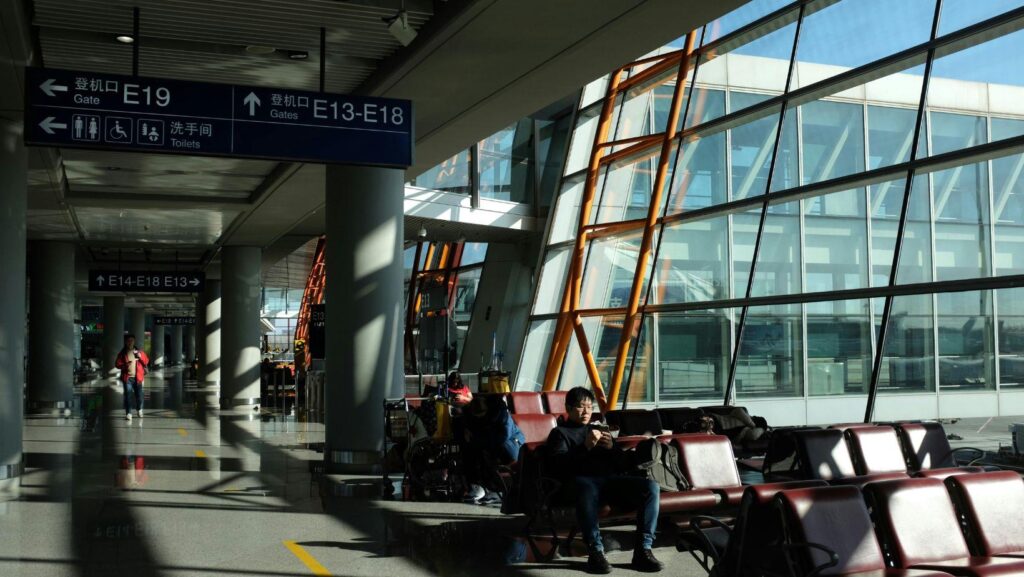
International airport hubs process tens of millions of travelers every year. Handling a constant flow of passengers, international flights, and cargo requires seamless coordination between air traffic control, ground crews, security agencies, and terminal logistics teams.
When thousands of travelers move through a terminal complex at once, small delays can cause big disruptions. To keep operations running on time, modern airports rely on smart scheduling, automated baggage networks, and flexible security checkpoints to move people safely to their gates.
Smart Terminal Logistics and Automated Baggage Systems
An international airport operates like a carefully timed machine. Every passenger step—from curbside drop-off to the departure gate—is designed to prevent bottlenecks and keep foot traffic moving smoothly.
Whether travelers are passing through duty-free shops, grabbing food, or using free airport Wi-Fi to log into a licensed Mr Luck platform while waiting for a flight, behind-the-scenes systems are constantly at work. Beneath the terminal floors, automated baggage handling networks use barcode scanners and high-speed conveyor belts to route thousands of bags per hour directly to the correct aircraft loading bays.
|
Airport Operation |
How It Works |
Key Benefit |
|
Automated Baggage Sorting |
Scans bag tags on high-speed conveyor tracks |
Reduces lost luggage and speeds up plane loading |
|
Biometric Security Gates |
Uses facial recognition to verify passports |
Cuts queue wait times at immigration checkpoints |
|
Runway Slot Scheduling |
Assigns exact takeoff and landing windows |
Prevents airplane traffic jams on the tarmac |
|
Smart Wayfinding Signs |
Updates gate info and walking times in real time |
Helps passengers navigate busy terminals easily |
Managing Runway Operations and Airside Traffic
Airports face just as much activity on the tarmac as they do inside the terminals. Air traffic controllers coordinate tight schedules to make sure planes land, taxi, unload, refuel, and take off without dangerous delays.
- Dedicated Taxiway Routing: Ground controllers direct landing aircraft along specific paved paths to keep arrival traffic separate from departing planes heading to the runways.
- Rapid Turnaround Crews: Ground support teams refuel planes, restock cabin supplies, and load new cargo simultaneously so aircraft spend minimal time parked at the gate.
- Predictive Queue Management: Terminal sensors monitor security line lengths, prompting staff to open additional screening lanes before crowds get too big.
Keeping Global Travel Moving Smoothly
Moving millions of people through an airport hub requires constant planning and flexible everyday systems. By pairing automated baggage tracking with smart terminal designs, major airports keep passenger journeys straightforward and stress-free.
As international air travel continues to grow, airports will keep upgrading their logistics tools. Smart security lanes, automated check-ins, and synchronized runway scheduling ensure global transit hubs remain fast, efficient, and reliable for travelers everywhere.