
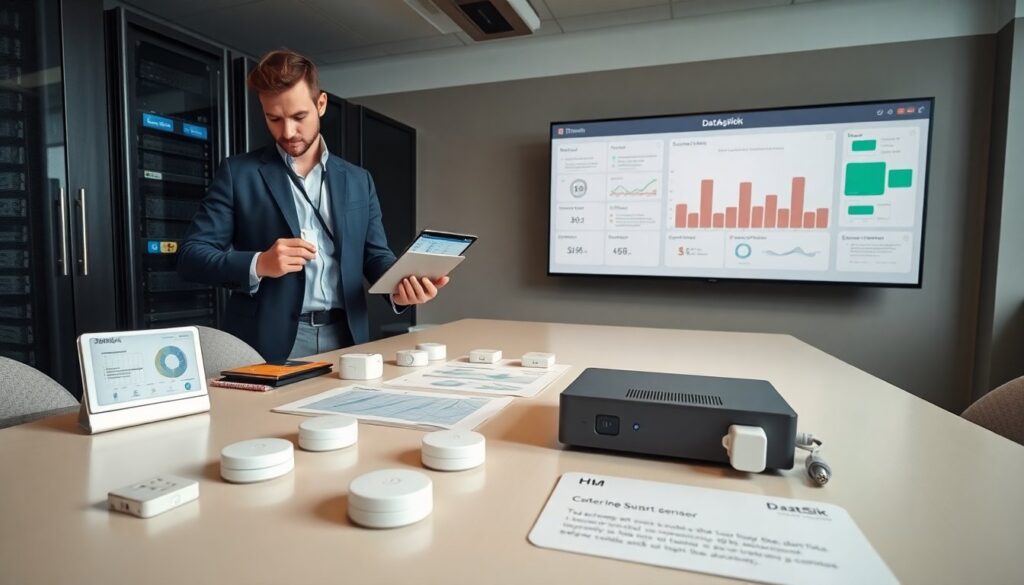
DataSpike gadgets and devices help people collect and act on sensor data. This guide explains what DataSpike does, lists useful gadgets, and gives practical setup and security tips. It aims to help readers choose and use DataSpike devices in homes and offices. The text uses clear examples and direct steps so readers can decide fast and deploy sensors with confidence.
Key Takeaways
- DataSpike gadgets and devices collect diverse sensor data to enhance comfort, reduce waste, and monitor assets in homes and offices.
- Top DataSpike devices include battery-powered temperature sensors, motion detectors, air-quality monitors, and energy usage trackers suitable for various environments.
- Look for accuracy, sampling flexibility, local processing, interoperability, and power options when choosing DataSpike gadgets and devices.
- Deploy DataSpike devices by planning sensor locations, testing signals, verifying system integrations, and documenting all setups before scaling.
- Ensure DataSpike gadget security by updating passwords, enabling encryption, segmenting networks, and maintaining devices through regular checks and firmware updates.
What Is DataSpike And Why It Matters In 2026
DataSpike refers to a set of gadgets and devices that capture, process, and share sensor data. The platform connects temperature, motion, air-quality, and energy sensors to hubs and cloud tools. In 2026, DataSpike matters because sensors became cheaper and networks became faster. Businesses and homeowners use DataSpike gadgets and devices to cut waste, improve comfort, and monitor assets. The ecosystem supports open standards and third-party apps. That support makes DataSpike gadgets and devices practical for mixed vendor setups and for incremental upgrades.
Top DataSpike Gadgets For Home And Office
DataSpike gadgets and devices appear in many form factors. The list below highlights reliable picks for most spaces.
- Battery-powered temperature and humidity sensors. They send updates every minute and last months on a charge. These DataSpike gadgets and devices suit refrigerators, greenhouses, and server closets.
- Motion and occupancy sensors. They trigger lighting, HVAC, or alerts. Teams use them in offices to measure real occupancy and to manage cleaning schedules.
- Air-quality sensors. They report CO2, PM2.5, and VOCs. Facilities use DataSpike gadgets and devices to validate ventilation and to reduce sick days.
- Energy monitors and smart plugs. They measure load at circuits and outlets. Building managers use DataSpike gadgets and devices to spot rogue energy use.
Key Features To Look For In DataSpike Devices
Buyers should scan for five clear features in DataSpike gadgets and devices.
- Accuracy and calibration. The device should list sensor tolerances. Buyers should prefer devices with a calibration path.
- Sampling and reporting intervals. Devices should support fast sampling for events and slower reporting for battery life.
- Local processing. Devices should run simple filters or thresholds to reduce network load.
- Interoperability. Devices should follow common protocols or provide open APIs.
- Power options. Devices should offer replaceable batteries, rechargeable cells, or wired power. These features make DataSpike gadgets and devices easier to manage and more cost effective over time.
Setup, Integration, And Compatibility Tips
Users should follow a clear plan when they deploy DataSpike gadgets and devices. First, map the areas that need sensing and write simple goals. Second, choose sensors and a hub that meet those goals. Third, test each device in the intended location for signal and accuracy. Fourth, verify integration with analytics and alerting tools. Fifth, document device IDs, locations, and maintenance dates. Teams should also run a short pilot with a few DataSpike gadgets and devices before scaling to full deployment.
Security, Privacy, And Maintenance Best Practices
Teams should secure DataSpike gadgets and devices from day one. They should change default passwords and use unique credentials for each hub. They should enable encrypted communication and apply firmware updates on schedule. They should segment sensor networks from critical corporate networks. They should limit data retention to what they need and anonymize personal data when possible. For maintenance, teams should log battery swaps, run monthly connectivity checks, and replace aging sensors on a predictable cycle. These steps keep DataSpike gadgets and devices secure and reliable.